by Mohamed Bahal
Saturday, July 14, 2018
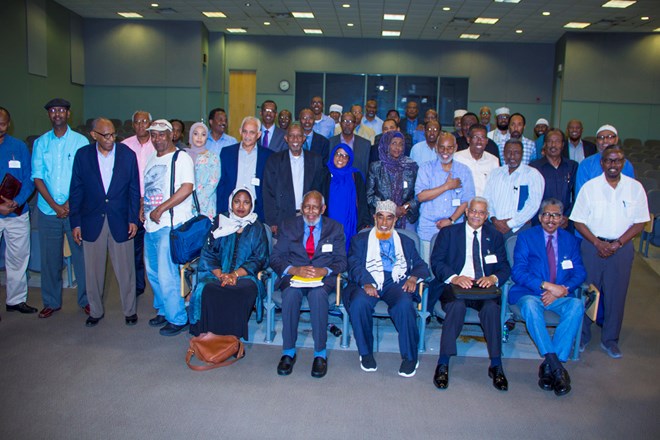
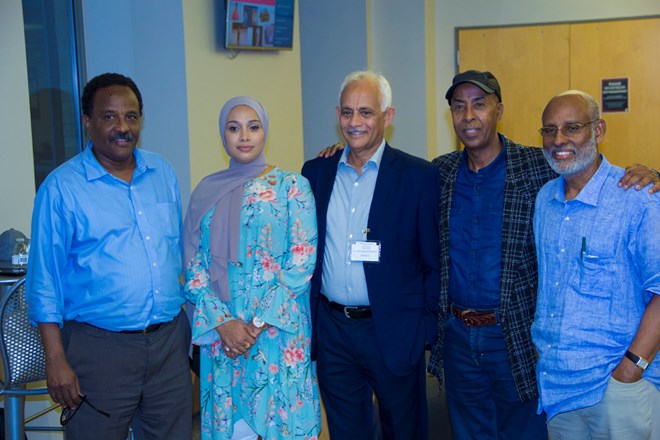
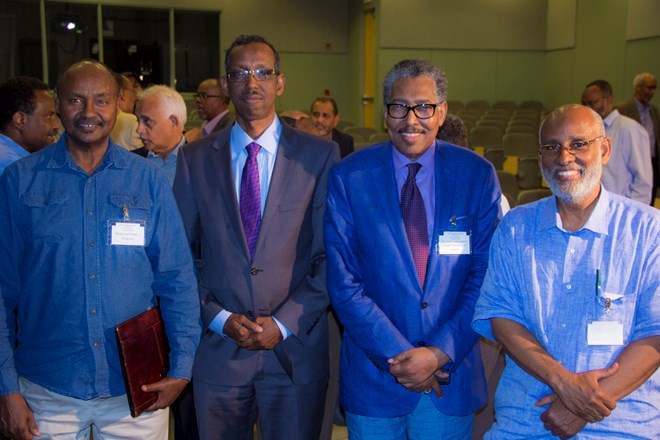
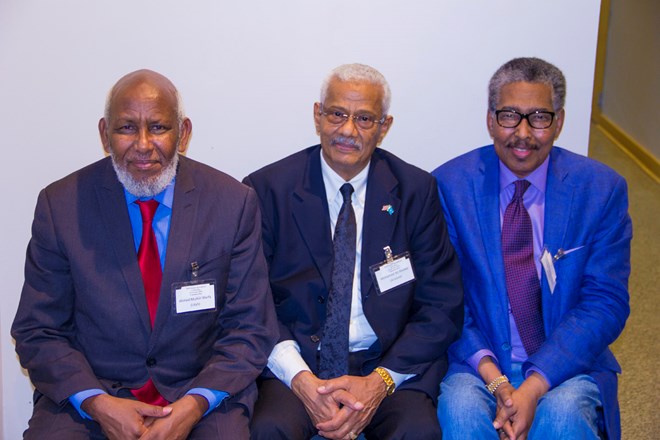
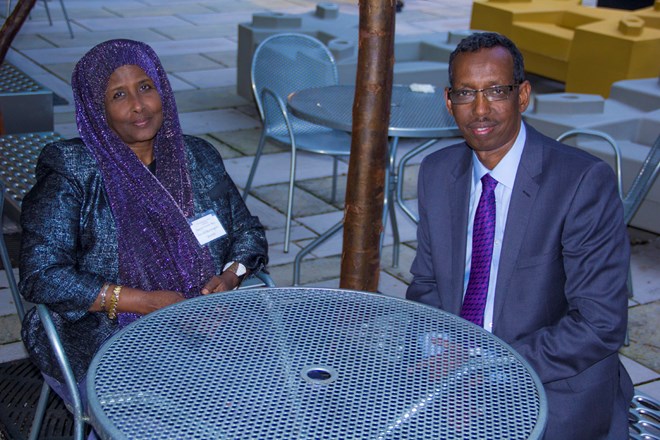
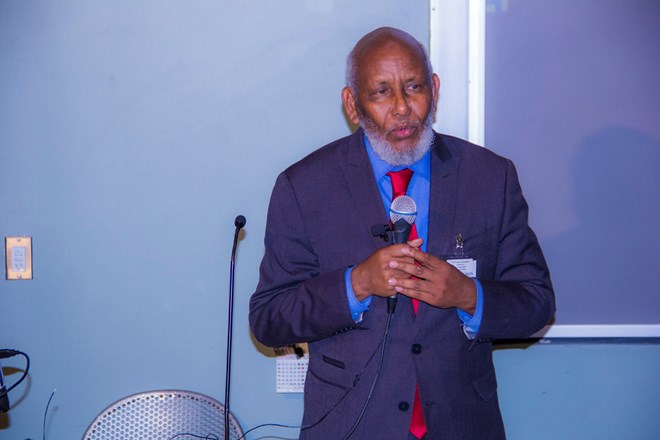
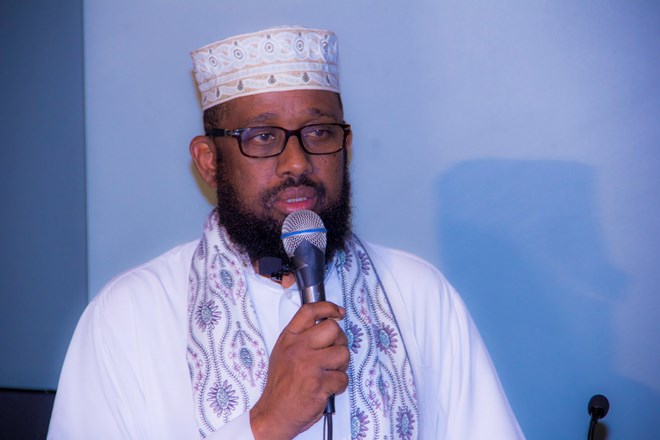
The meeting was held in Columbus Ohio on June 22-24. The meeting was initiated by a group of Somali intellectuals who felt the need to get together and discuss the historical perspectives and the future challenges and opportunities facing the Somali agricultural sector. The people who attended the meeting came from different States of the US, Canada, and Somalia. In the light of the current challenges that exist in Somalia, the meeting participants deliberated the importance of rejuvenating the agricultural sector because agriculture is the back bone of the Somalia economy. The discussion was centered on the past and the present situation of the country’s agriculture.
The flow of the Shabelle River is becoming very low for a number of reasons. For example, the river deposits high levels of sediment which often accumulates on the beds of the River. At high flow periods, it overflows and floods damage farms and villages. In low rainfall periods, the amount of flow reaching the downstream of the Shabelle River basin is becoming very low. Extensive diversion canals were built for irrigation projects near the Godey area of Ethiopia. Unless equitable water sharing agreement is urgently reached with the Ethiopian Somali Region, downstream river flows are expected to decrease. Such a decrease in downstream flow will have a serious impact on Somalia’s irrigated agriculture. With regard to the Juba River basin, the participants were informed of Ethiopia’s plan to build three medium size dams on the Genale tributary of the upper Juba River basin. One of the dams is expected to be completed in 2018. The meeting highlighted that damming the Juba River without any agreement with Somalia is a serious matter. The participants highlighted the need for Somalia’s role in the water sharing agreements of the Juba River basin.
With regard to climate change, Dr. Warfa explained that climate change is already affecting the country’s weather conditions. Such weather phenomenon results in three months of erratic rainfall followed by three months of drought which results in loss of human and animal life. Dr. Warfa warns that, unless drastic measures are taken by way of banning charcoal export and unless reforestation actions are taken, the country could soon be on the verge of desertification.
The participants of the meeting expressed their sincere thanks to the Columbus Ohio Somali Community for the utmost hospitality that they offered to us during the meeting.
Mohamed Bahal
[email protected]